
Sustainable waste practices are crucial for urban areas like Sydney, where growing populations and commercial activity produce increasing amounts of waste. Thus, waste management in Sydney, Australia, is essential. Implementing efficient waste solutions helps reduce reliance on landfills, minimise environmental impact, and conserve resources for future generations. For businesses, residential communities, and local councils, strategic waste management offers both economic and ecological benefits. In this blog, we explore top approaches to sustainable waste management, highlighting practical methods, technologies, and programs that transform Sydney into a model of eco-conscious living.
Reduce, Reuse, and Recycle Initiatives
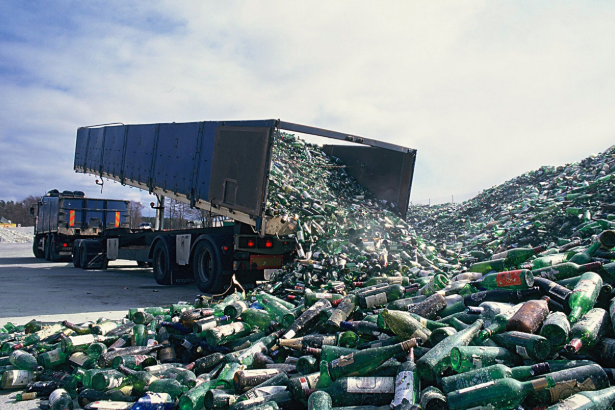
The foundation of sustainable waste management in Sydney, Australia, lies in the classic principles of reduce, reuse, and recycle. Reducing waste at the source decreases the volume sent to landfills and lowers collection costs. Businesses and households are encouraged to implement programs that minimise single-use items and optimise packaging. Reuse initiatives, such as donating usable materials and repurposing construction waste, further reduce environmental pressure. Recycling programs, supported by local authorities and private waste management providers, ensure that materials such as plastics, metals, and paper are effectively reprocessed, contributing to a circular economy.
Integration of Advanced Waste Collection Systems
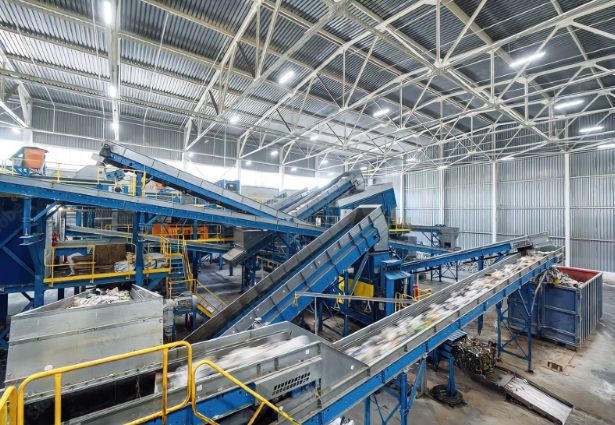
Modern technology plays a critical role in optimising waste management. Smart bins, sensor-based collection schedules, and GPS-tracked vehicles streamline operations and reduce fuel consumption. By leveraging data analytics, municipalities can predict waste generation patterns and allocate resources efficiently, improving service delivery while minimising environmental impact. Businesses that adopt these systems experience reduced operational costs, enhanced compliance, and a stronger sustainability reputation, making advanced collection methods a cornerstone of effective urban waste management.
Organic and Food Waste Management
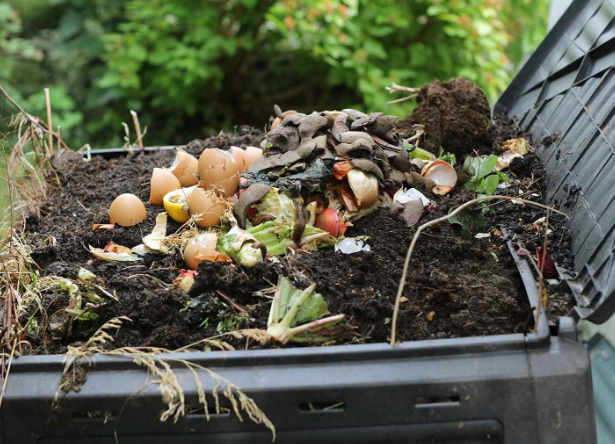
Organic waste, particularly from households and commercial kitchens, constitutes a significant portion of urban refuse. Effective waste management increasingly focuses on composting and anaerobic digestion of food waste. These processes convert organic materials into valuable products such as nutrient-rich compost and renewable energy. Local councils and private operators provide collection programs that separate organic waste from general refuse, ensuring efficient processing. For businesses, incorporating organic waste strategies reduces disposal costs and aligns with environmental compliance standards, reinforcing sustainability commitments.
Promoting Public Awareness and Engagement
Community participation is critical to the success of sustainable waste management programs. Public awareness campaigns, educational workshops, and digital platforms encourage residents to adopt responsible disposal habits and understand the benefits of recycling and resource recovery. Businesses can also engage employees through sustainability initiatives, incentivising proper waste segregation and eco-friendly practices.
Collaboration Between Government and Private Sector
Effective waste management relies on strong partnerships between government authorities and private waste management companies. Collaborative approaches to waste management in Sydney, Australia, enable innovative solutions, including large-scale recycling facilities, resource recovery centres, and circular economy projects. By combining regulatory oversight with technical expertise, stakeholders can implement programs that are economically viable and environmentally responsible.
Adoption of Circular Economy Practices
Circular economy principles are increasingly integrated into waste management. Instead of following a linear model of production and disposal, businesses and communities are encouraged to design products and processes that minimise waste and maximise reuse. Materials are continuously repurposed, creating value from what would otherwise be discarded. By adopting circular economy practices, Sydney benefits from reduced environmental pressures, cost savings for businesses, and the development of innovative recycling markets that support long-term sustainability.
Conclusion
Implementing strategic approaches to urban waste collection, organic processing, community engagement, and circular economy practices ensures effective waste management in Sydney, Australia. By leveraging technology, education, and strong partnerships, businesses and residents can significantly reduce environmental impact while achieving operational efficiencies. For those seeking professional guidance and comprehensive solutions to manage waste responsibly, exploring trusted recycling solutions provides access to expert services, innovative programs, and sustainable strategies that enhance both economic and ecological outcomes.

Write a comment ...